



GCC expands unified frameworks to support regional development and integration
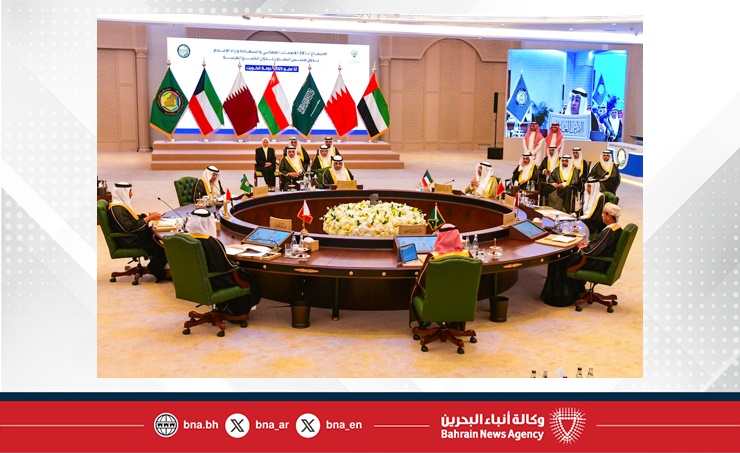
Manama, Dec. 2 (BNA): The sustainable strategic frameworks launched by Gulf Cooperation Council (GCC) target the transition from institutional cooperation to deeper integration, building on decades of joint Gulf action. Over the years, the GCC has worked to improve laws and systems across multiple domains in line with the objectives outlined in its founding charter, through the adoption of unified regulations in various domains.
Judicial, Legal, and Legislative Cooperation
GCC member states have strengthened legislative and judicial cooperation through the development of unified legal frameworks, enhanced coordination between judicial bodies, and the standardisation of court structures, jurisdictions, and procedures.
Several key achievements have supported institutional work and provided a legislative foundation for comprehensive development.
Notable achievements include:
- Approval of the unified agreement for the enforcement of judgments, delegations, and judicial notifications among GCC states, ensuring that judicial rulings in any member state are enforceable across all others.
- Signing of the Abu Dhabi Document on the unified juvenile law, determining the competent judicial authority for juvenile cases and outlining penalties distinct from those applied to adults.
- Adoption of the Kuwait Document on the unified civil law, codifying Islamic jurisprudence principles relating to legal obligations, contracts, ownership, and associated rights.
- Adoption of the Manama Document on the unified law regulating the legal profession in the GCC.
- Adoption of the Kuwait Document on the unified law for the custody of funds of minors, guardianship regulations, and the management of minors' funds.
- Adoption of the Abu Dhabi Document on the unified law to combat human trafficking and prevent exploitation in all forms.
- Launch of a model framework for GCC legal and judicial cooperation agreements.
- Endorsement of the Riyadh Document on the unified GCC cybercrime law as an indicative framework, automatically renewable every four years unless modified.
- Endorsement of the Riyadh Document on the unified family courts law as an indicative framework, automatically renewable every four years unless amended.
- Launch of the GCC unified electronic network for laws and regulations.
- Enhanced cooperation in domains including endowments, anti-corruption and integrity frameworks, human rights, volunteer work, legislative councils, and public prosecution.
Media and Cultural Cooperation
Media and cultural cooperation among GCC states began even before the establishment of the Council in 1981 through regular meetings of information ministers and a dynamic cultural and media movement in the region. This early collaboration led to the creation of joint media and cultural institutions such as the GCC Joint Programme Production Institution and the Gulf Radio and Television Organisation (GRTO).
GCC media cooperation has focused on improving regulatory frameworks across radio, television, press, and news agencies, publications, external media. These efforts reflect the vision of GCC leaders and aim to meet public expectations while aligning with the united gulf media charter, national constitutional freedoms, and emerging developments in digital transformation and Artificial Intelligence (AI).
The GCC continues to emphasise the importance of deepening media integration, adopting modern technologies and empowering national media personnel to produce responsible content that reflects Gulf identity, values, and achievements. Key accomplishments include:
- Joint production of GCC media programmes.
- Enhanced exchange of Gulf television drama and radio content across member states.
- Expansion of the Gulf Radio and Television Festival to include radio production and private domain participation.
- Focus on joint training and professional development for media and journalism professionals.
- Enhanced technical cooperation among news agencies and broadcasters.
- Expanded collaboration in digital media, new media platforms, and AI driven media tools.
- Broader cooperation in external media engagement and coordination with regional and international media networks.
The cultural partnership among GCC states is grounded in the Cultural Strategy adopted by the Supreme Council at its 29th session in Muscat, which focuses on celebrating the Gulf identity, promoting cultural awareness, and drawing on the region’s rich heritage, legacy and shared Arab Islamic Identity.
Through close cooperation, GCC states have implemented the objectives of the cultural strategy as part of broader sustainable development goals. These efforts include enhancing Arabic language use, developing cultural infrastructure such as libraries, theaters, cinemas, museums, publishing houses, and research centres, and promoting cultural and archaeological tourism. Member states have also strengthened partnerships with organisations such as the United Nations Educational, Scientific and Cultural Organization (UNESCO) and Arab League Educational, Cultural and Scientific Organization (ALECSO), and advanced heritage protection through regional frameworks to combat illicit trafficking of cultural property.
Health Cooperation
Health cooperation among GCC states began in the mid-1970s during meetings of Gulf health ministers held on the sidelines of the World Health Assembly (WHA) in Geneva 1975.
Current GCC health cooperation includes unified health policies, coordination in preventive and curative healthcare, combating communicable and non-communicable diseases, enhancing pharmaceutical security, and collaboration in digital healthcare, AI, and telemedicine. Member states also ensure equal access for GCC citizens to health services across the region, support national health system integration, develop healthcare and nursing capacities, and coordinate public health programmes, including environmental health and climate related health concerns.
The GCC has made major strides in improving medical services and healthcare quality across member states through initiatives led by the GCC Health Council and national ministries of health, including digital transformation of health services, and adoption of modern AI tools.
Additionally, the GCC launched the "Taawon" digital platform to unify procedures for registering pharmaceutical manufacturers and facilitating access to Gulf markets in line with international safety standards and regulations recognised by the World Medical Association (WMA) and the United States Food and Drug Administration (FDA).
The institutional cooperation and legislative transformation achieved by the GCC states reflects the vision of GCC leaders for a more interconnected and sustainable future. Milestones in domains of justice, media, culture, and health continue to strengthen the GCC’s role as a leading model of regional integration, supporting development goals, safeguarding public gains, and ensuring the Council’s ability to respond to emerging global challenges.
