



Derasat CEO highlights significance of 46th GCC Summit
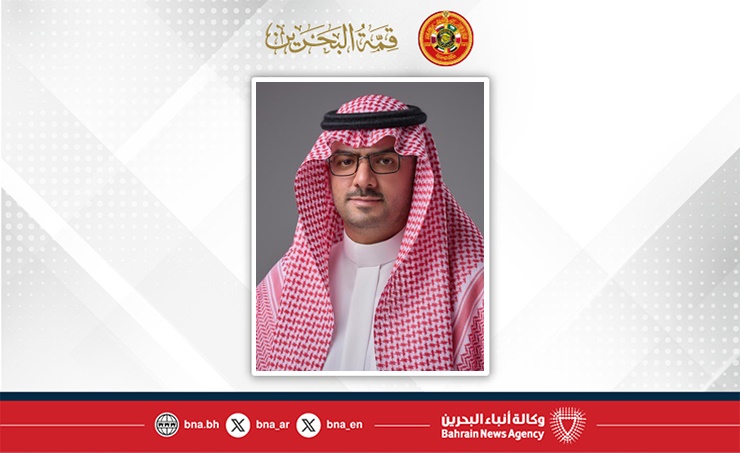
Manama, Dec. 3 (BNA): Abdulla Mohammed Al Ahmed, CEO of the Bahrain Centre for Strategic, International and Energy Studies (Derasat), said that the 46th Gulf Cooperation Council Summit represents an important stage in efforts to develop the tools of joint Gulf action and update its mechanisms. He noted that, over more than four decades, the Council has gained extensive experience in economic, development, and security coordination, making it an effective framework for addressing regional and international developments.
He added that Bahrain’s hosting of this session reflects the Kingdom’s role in strengthening constructive consultation and expanding avenues of cooperation among GCC states. He highlighted that Bahrain’s contribution since the Council’s establishment has been marked by a clear vision that supports joint Gulf methodologies, advances coordination mechanisms, and broadens institutional cooperation, reflecting the Kingdom’s commitment to supporting forward-looking economic and developmental initiatives.
He noted that this summit is the eighth hosted by Bahrain, underscoring the Kingdom’s distinguished standing within the Council and its central role in supporting paths of Gulf integration and cohesion.
Al Ahmed said that the wisdom of GCC leaders represents the key foundation for strengthening Gulf unity and enhancing regional stability and development. He underlined that the cohesion of Gulf peoples, and the strong historical, social, and cultural ties that unite them, has contributed to building a distinctive regional cooperation model rooted in confidence and shared perspectives, reinforcing the Council’s enduring strength in facing challenges.
He noted that the vision set by His Majesty King Hamad bin Isa Al Khalifa, along with the initiatives of His Royal Highness Prince Salman bin Hamad Al Khalifa, the Crown Prince and Prime Minister, has strengthened an approach based on developing joint programmes and initiatives, particularly in economic and developmental areas that will shape GCC efforts in the coming phase.
The CEO also noted that GCC summits have become practical platforms for reshaping economic and technological priorities and directing them towards executive programmes with a direct impact on Gulf economies. He added that issues relating to energy, sustainability, economic security, and the digital economy provide promising avenues for shared visions and precise follow-up mechanisms that ensure optimal use of development opportunities.
He said that Gulf development experiences reveal successful paths in building resilient economies based on innovation and diversification of productive capacities, forming an important basis for strengthening Gulf integration in the medium and long term.
The CEO emphasised that Derasat will continue its role as a national think tank supporting Gulf cooperation, building on its cooperation memorandum with the Secretariat-General of the Gulf Cooperation Council, which provides an institutional framework for knowledge exchange and joint studies. He added that the Centre continues to develop strategic analyses that support joint Gulf action and broaden prospects for sustainable development and strengthened regional stability.
