



SCE Chairman highlights Bahrain’s efforts to preserve wildlife, biodiversity on Gulf Wildlife Day
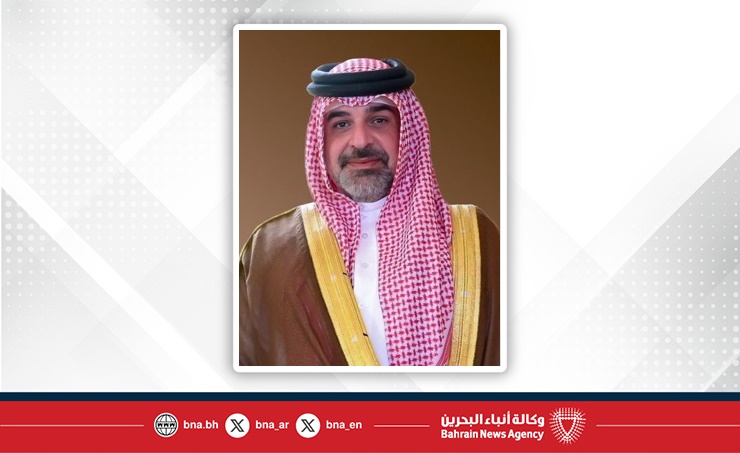
Manama, Dec. 29 (BNA): His Highness Shaikh Abdullah bin Hamad Al Khalifa, Personal Representative of His Majesty the King and Chairman of the Supreme Council for Environment (SCE), affirmed that the Kingdom of Bahrain attaches great importance to the conservation of wildlife and biodiversity, given their value and sustainability in supporting the Sustainable Development Goals and maintaining ecological balance.
His remarks were made on the Gulf Wildlife Day, marked annually on December 30. This year’s theme, "A Society in Harmony with Nature for Sustainable Wildlife," reflects a collective commitment to raising environmental awareness and highlighting ongoing efforts to protect wildlife and its natural habitats. His Highness noted that the occasion supports the promotion of sustainability across all segments of society and contributes to adaptation to climate change.
His Highness emphasised that the Supreme Council for Environment, in cooperation with national partners from ministries, governmental bodies, private institutions, and civil society organisations, plays a prominent role in conserving wildlife and ensuring its sustainability. He pointed out that the Kingdom of Bahrain enjoys rich biodiversity, ranging from diverse terrestrial and marine ecosystems to a wide variety of distinctive native species.
HH Shaikh Abdullah bin Hamad explained that Bahrain is making sustained efforts to preserve wildlife biodiversity through a comprehensive framework of legislation and programmes. These include wildlife breeding programmes and initiatives to protect endangered species hosted at the Mohammed bin Zayed Natural Reserve, particularly species native to the Arab region; programmes to control harmful invasive alien species, such as the common myna bird; and ecosystem restoration initiatives to combat desertification. These restoration efforts include afforestation programmes, the national tree-planting plan, and the achievement of the national goal to double the number of mangrove trees.
His Highness also highlighted additional initiatives that reflect Bahrain’s ambitious environmental goals. These include the launch of specialised research programmes and environmental monitoring initiatives to track and assess biodiversity across the Kingdom and the health of the ecosystems that support it. These programmes are implemented in cooperation with local and international academic institutions. Bahrain is also expanding its network of natural reserves and developing their infrastructure to improve their capacity to protect wildlife and endangered species. These efforts support the sustainability of Bahrain’s natural resources in line with Bahrain Economic Vision 2030, the objectives of United Nations environmental agreements, and the Gulf Wildlife Convention, reflecting the Kingdom’s environmental commitment at both regional and international levels.
As part of its strategic environmental efforts, the Kingdom of Bahrain has designated eight natural reserves, covering more than 22% of its total marine area and 7% of its total land area. These include the Hawar Islands Reserve and Tubli Bay Reserve, both listed as Ramsar Wetlands of International Importance. Bahrain has also enacted legislation prohibiting overfishing and activities that harm biodiversity.
To strengthen public awareness, the Supreme Council for Environment has organised a series of awareness campaigns and field activities. These include educational visits to natural reserves, environmental projects targeting school and university students as well as all segments of society, and dialogue seminars highlighting the importance of mangrove plants and their role in mitigating the impacts of climate change.
